BLOG

List of articles

WHAT IS DUST BATHING - A SPA DAY FOR YOUR CHICKENS

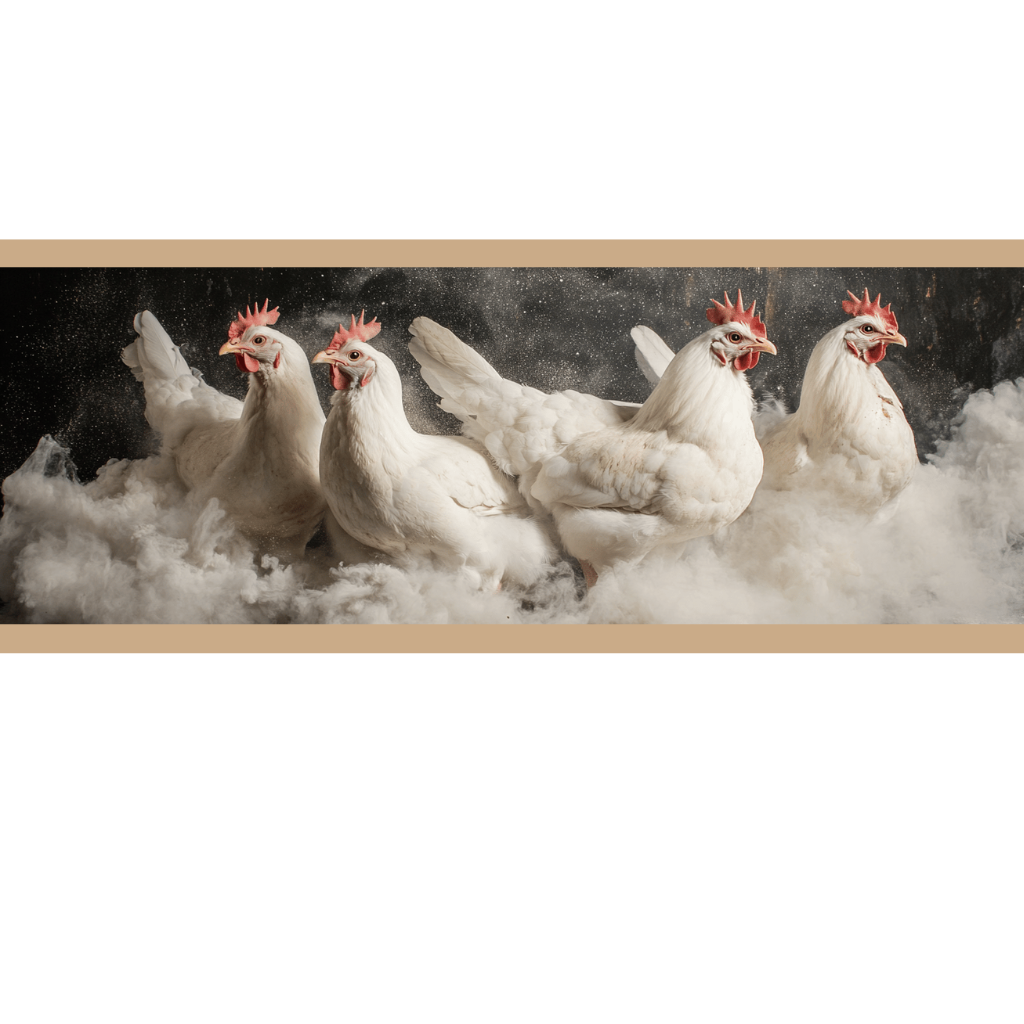
Ever watched a chicken flopping around in a patch of dirt and wondered what on Earth it was doing? Welcome to the fascinating world of dust bathing! This quirky, instinctive behavior isn't just for fun—it's a vital part of a chicken's life. Read on to discover the whys, the benefits, and some cluck-worthy facts about this feathery spa treatment.


Why Do Chickens Dust Bathe?

Dust bathing is an innate behavior in chickens, driven by several essential needs:

1. Parasite Control

Chickens love to keep themselves free of pesky parasites like mites and lice. By rolling in the dirt, they can coat their feathers and skin with fine particles. These particles help to dislodge and suffocate parasites, preventing infestations.

2. Feather Maintenance

A good dust bath helps chickens maintain their plumage. The fine dust absorbs excess oil, dirt, and moisture from their feathers, keeping them in top condition. After a dust bath, chickens shake off the excess dust, leaving their feathers clean and fluffy.

3. Skin Health

Dust bathing helps exfoliate a chicken's skin, removing dead skin cells and promoting overall skin health. This process helps prevent skin infections and keeps their skin supple.

4. Comfort and Relaxation

Dust bathing is also a social activity and a form of entertainment for chickens. It provides physical comfort and helps them relax, reducing stress and promoting mental well-being.

The Benefits of Dust Bathing

Dust bathing isn't just about keeping clean; it offers a plethora of benefits for your feathered friends:

1. Improved Health

Regular dust bathing significantly reduces the risk of parasitic infestations, leading to healthier, happier chickens. Healthy feathers and skin are less prone to disease and damage.

2. Stress Reduction

Engaging in natural behaviors like dust bathing is essential for a chicken's mental health. It reduces stress and provides a sense of security and contentment.

3. Social Interaction

Dust bathing is often a communal activity. Chickens enjoy dust bathing together, which strengthens social bonds within the flock and establishes a pecking order without aggressive behavior.

4. Increased Egg Production

Happy, stress-free chickens are more likely to lay eggs consistently. By providing a suitable environment for dust bathing, you can indirectly boost egg production in your flock.

Fun Facts About Dust Bathing

Dust bathing might seem like a simple activity, but it comes with its own set of fascinating tidbits:

1. Ancient Instincts

Dust bathing is an ancient behavior that chickens have inherited from their wild ancestors. Even without ever seeing another chicken do it, chicks will instinctively start dust bathing at just a few weeks old.

2. Creative Dust Bathing Spots

Chickens can be surprisingly creative when it comes to finding dust bathing spots. If you don't provide a designated area, they might take over your flower beds, garden, or even create a dust bath in the coop bedding.

3. DIY Dust Baths

You can create a perfect dust bath for your chickens by mixing fine sand, wood ash, and diatomaceous earth. These materials are excellent for controlling parasites and keeping feathers in pristine condition.

4. Seasonal Adjustments

Chickens adapt their dust bathing habits according to the seasons. In the winter, they might bathe less frequently due to the cold, but they’ll appreciate an indoor dust bath area filled with dry dirt or sand.

5. Dust Bathing Rituals

Chickens have specific rituals when it comes to dust bathing. They often start by scratching at the ground, then they lie down and use their wings to throw dust over their backs, wriggling and fluffing their feathers to ensure even coverage.

How to Create the Perfect Dust Bath for Your Flock

Creating a dust bath area for your chickens is easy and can significantly enhance their quality of life. Here’s how to set up a cluck-tastic dust bath:

1. Choose a Location

Select a sunny, dry spot in your chicken run or coop. A sheltered area will help keep the dust bath dry and usable even during rainy weather.

2. Prepare the Bathing Material

Fill the dust bath area with a mix of fine sand, wood ash (free of chemicals and additives), and diatomaceous earth. These materials help control parasites and keep feathers clean.

3. Keep It Clean

Regularly check and refresh the dust bath material to ensure it remains effective and free of droppings or debris. Chickens will appreciate a clean, well-maintained dust bath.

4. Provide Space

Make sure there’s enough room for multiple chickens to dust bathe at once. Chickens enjoy dust bathing together, and a spacious area will prevent any squabbles over prime bathing spots.

5. Encourage Usage

If your chickens are new to dust bathing, you can encourage them by placing a few treats or scratch grains in the dust bath area. Once they discover it, they’ll quickly start using it regularly.

Conclusion

Dust bathing is more than just a quirky chicken habit—it's a crucial part of their hygiene, health, and happiness. By understanding and providing for this natural behavior, you can ensure your flock thrives. So, the next time you see your chickens kicking up a cloud of dust, you'll know they're indulging in a delightful, dusty spa day, keeping themselves cluckin' clean and content.


Read article
SALPINGITIS AND LASH EGGS IN BACKYARD CHICKENS

If you're raising chickens, you may have heard of a strange occurrence in hens: lash eggs. Though the term might suggest something akin to a regular egg, lash eggs are quite different, and for new poultry keepers, they can be a cause of concern. Continue reading to learn more about lash eggs, why they happen, and how to address them. 

What are Lash Eggs?

A lash egg is not really an egg. It's a mass of hardened pus, tissue, and sometimes egg material, usually expelled by a hen suffering from a condition called salpingitis. Salpingitis is an infection or inflammation of the oviduct, the tube through which eggs pass from the ovaries to the nesting box. 

Lash eggs often look like irregularly shaped, spongy lumps. They can range in color from pale to yellowish-brown and are typically encased in a fibrous tissue. Unlike regular eggs, lash eggs don’t have a smooth, shell-like exterior.

What Causes Lash Eggs in Chickens?

Lash eggs result from an infection in the hen's reproductive system. These infections are most often caused by bacterial infections like E. coli or Mycoplasma, though other causes, such as fungal infections or trauma, can also lead to the condition. When the oviduct becomes inflamed due to infection, it can produce these fibrous masses to expel damaged tissue. 

Salpingitis can occur for various reasons, including:

  • Poor hygiene: Unsanitary living conditions can lead to bacterial infections. 
  • Stress: Overcrowding, poor nutrition, or extreme weather conditions can weaken a chicken's immune system. 
  • Injury: Trauma to the oviduct can trigger inflammation, whether from laying large eggs or other internal issues. 
  • Age: Older hens are more susceptible to reproductive issues, including salpingitis. 

Are Lash Eggs Dangerous to Humans? 

If one of your hens lays a lash egg, it's important not to touch it with your bare hands. Bacterial diseases like Salmonella can cause salpingitis, which can be passed on to humans. 

Is Lash Egg Contagious to Other Chickens?

Salpingitis is not a contagious condition. However, the original cause of the infection can be. Proper biosecurity is the best way to prevent salpingitis, as you want to minimize the presence of potentially harmful bacteria in your flock. There are two types of salpingitis:

  1. Bacterial: The primary bacterial culprits include Salmonella, E. coli, Mycoplasma gallisepticum, and Pasteurella multocida.
  2. Viral: Viral causes include bronchitis, Newcastle, and influenza, which are all contagious.

Recognizing Lash Egg Symptoms in Your Flock

The first time a chicken lays a lash egg can be alarming. Here are a few signs and symptoms that may indicate a hen is dealing with salpingitis:

  • Lethargy: Affected hens may be less active and spend more time sitting or standing still. 
  • Abdominal swelling: Some hens with salpingitis may have a visibly swollen abdomen. 
  • Decreased egg production: The infection may interfere with normal egg production, leading to fewer eggs or the expulsion of lash eggs. 
  • Weight loss: As the hen's body tries to fight off the infection, she may lose weight. 

While some hens may pass a lash egg and continue without further issues, it is essential to keep an eye on any bird showing signs of illness.

How to Treat Lash Egg and Prevent Salpingitis 

Unfortunately, when a hen lays a lash egg, the infection may be advanced, and the prognosis can vary. However, there are a few steps you can take to manage the situation.

  1. Seek Veterinary Advice: A vet may recommend antibiotics to treat the underlying infection. Early intervention can sometimes help a hen recover. 
  2. Isolate the Affected Hen: Keep her separate from the rest of the flock to prevent the spread of potential infections. Provide a clean, quiet space with easy access to food and water. 
  3. Improve Hygiene: Regularly clean the coop, change bedding, and ensure the nesting boxes are clean and dry. This can reduce the risk of infections spreading. 
  4. Boost the Immune System: Feed your flock a balanced diet rich in vitamins and minerals, and consider supplements like probiotics or apple cider vinegar in their water to support digestive and immune health. 
  5. Reduce Stress: Ensure your chickens have enough space, clean water, and proper ventilation in the coop. Stress can weaken a bird's immune system, making them more susceptible to infections. 


Lash eggs may seem shocking, but with proper care and preventative measures, you can minimize the likelihood of salpingitis in your flock. Regular flock health checks, attention to hygiene, and a strong immune system are your best defenses against reproductive issues in chickens. If your hen lays a lash egg, always consult with a vet for the best course of action to ensure health and well-being. By understanding what lash eggs are and how they occur, you can better prepare for this unusual event and manage it effectively in your flock.

Have you had experience with lash eggs in your flock? Tell us your experience in the comments.

Read article
THE BENEFITS OF FERMENTED CHICKEN FEED

Fermented chicken feed is a rising trend among backyard chicken keepers, and for good reason. By soaking your chickens' regular feed in water and letting it ferment for a few days, you can provide them with a range of benefits that support better health, improved digestion, and even cost savings. In this post, we'll explore the "what" and "why" of fermented chicken feed, along with a step-by-step guide on how to make it. 

What is Fermented Chicken Feed?

Fermentation is the process of naturally occurring bacteria and yeast breaking down the sugars and starches in food. In chicken feed, this process enhances the nutritional profile of the grains by making them easier to digest and increasing the bioavailability of important vitamins, minerals, and probiotics.

Why Ferment Chicken Feed?

  1. Improved Digestion
    Fermenting feed predigests the grains, which makes it easier for chickens to absorb nutrients. It reduces the anti-nutritional factors that are naturally present in grains, like phytic acid, which can interfere with mineral absorption. As a result, chickens gain more nutritional benefits from the same amount of feed. Additionally, the process of soaking chicken feed makes it easier to digest. The softer feed is easy on the digestive system, specifically for a chicken's crop and gizzard.
  2. Better Gut Health
    Fermentation introduces beneficial probiotics into the feed, promoting a healthy balance of gut bacteria. This can improve overall health, boost the immune system, and reduce the risk of common digestive issues.
  3. Cost-Effective 
    Fermented feed swells and becomes more filling, so your chickens will likely eat less of it while still receiving all the nutrients they need. Over time, this can reduce your feed costs.
  4. Stronger Eggshells and More Nutritious Eggs
    The enhanced nutritional value of fermented feed often leads to stronger eggshells and more nutrient-dense eggs. Some chicken keepers even report better flavor in the eggs produced by chickens eating fermented feed.
  5. Added Probiotics and Immune Health
    When lactic acid bacteria ferment chicken feed, it promotes the growth of helpful bacterial populations. These probiotics significantly enhance digestion, boost immunity, and promote better gut health. Research indicates that animals regularly consuming probiotics from fermented feed exhibit stronger immune systems compared to those fed a conventional dry feed diet.
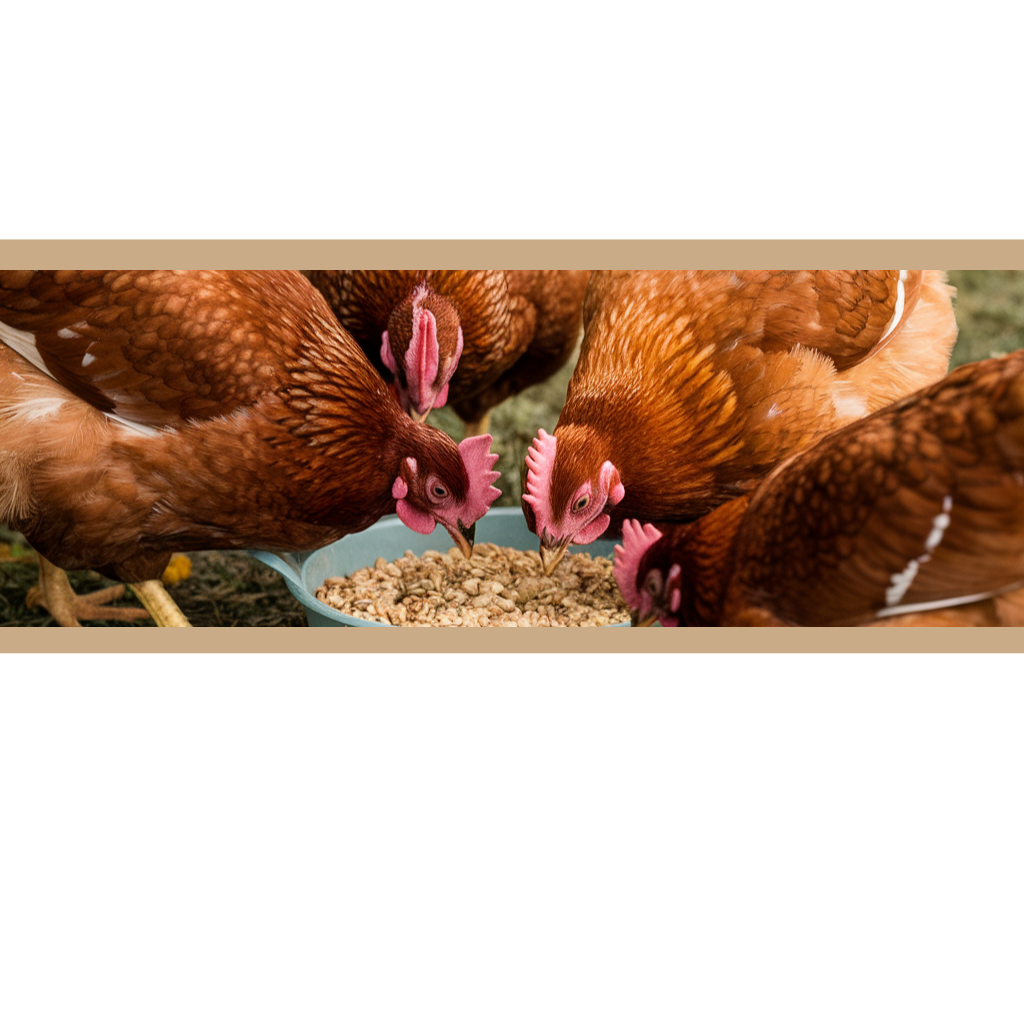
Chickens eating feed

How to Ferment Chicken Feed?

Fermenting chicken feed is straightforward. All you need is chicken feed, water, and a few days of patience. Here's a step-by-step guide to get started. 

What You'll Need:

  • Chicken feed (pellets, crumbles, or whole grains): Whole grains typically hold up best, as others expand more and can get a bit mushy. Scratch can also be fermented, but this should only be given as a treat, not replacing their layer feed. 
  • Water (non-chlorinated, preferably)
  • A large container (food-safe plastic or glass)
  • A spoon or stick to stir 

Steps:

  1. Choose your container 
    Pick a container large enough to hold the feed and allow it to expand. Ideal options include a spacious glass container or a bowl. Since fermentation creates mild acidity in the feed, selecting materials like glass, ceramic, or BPA-free plastic is recommended. The container should be ample enough to accommodate one or two days' feed supply for your birds and additional space for water, stirring, and expansion. Extra space is also essential for air circulation as the fermentation process produces gases.
  2. Add the feed
    Start by filling your container about halfway with dry feed, or add enough for one or two daily servings for your flock. Remember that the feed will swell as it absorbs water, so leave enough room for expansion.
  3. Add water
    Cover the feed with water, ensuring it’s fully submerged and leaving a couple of inches of room to expand.
  4. Stir and cover
    Give the feed a good stir to ensure all of it gets wet. Cover the container loosely. You want to allow gases to escape but keep dust and debris out. A loose-fitting lid or cloth works well.
  5. Let it ferment
    Place the container in a spot with moderate temperature out of direct sunlight. Stir the feed daily, adding more water if necessary to keep it submerged. After about 2-3 days, you’ll notice bubbles forming and a slightly sour smell, which is the fermentation process in action!
  6. Feed it to your chickens
    Once the feed has fermented (usually between 3 and 5 days), it’s ready to serve. Strain out the liquid if it’s too soupy, and offer the fermented feed to your chickens. You can repeat the process with fresh feed in the same container, using some of the previous batch’s liquid to jumpstart fermentation.

Tips for Successful Fermentation

  • Use non-chlorinated water: The chlorine in tap water can kill the beneficial bacteria you're trying to encourage. If you don't have access to filtered water, leave tap water out overnight to allow the chlorine to evaporate before using it for fermentation. 
  • Watch the temperature: Fermenting feed does best in moderate temperatures (65-75°F). In extreme heat, it may ferment too fast and spoil, while cold temperatures can slow the process.
  • Avoid metal containers: Fermentation can react with metal, which may affect the quality of the feed. Stick with food-safe plastic, glass, or ceramic containers. 
Chicken pecking at grass in a field

How Often Should You Give Your Flock Fermented Feed? 

There is no “overdoing it” - the more often you give your flock fermented feed, the better. Certain poultry keepers provide their chickens only with fermented feed, whereas others reserve it for occasional treats. Although fermenting feed is quite simple, it requires more effort than filling their feeder with feed for the week.

Provide a similar quantity of fermented chicken feed as you do with their regular feed. Refer to the serving guidelines on your feed package. Since fermented feed can increase in volume after soaking and may keep chickens feeling fuller, they might consume a bit less than normal. Monitor your flock's intake and make adjustments as necessary.

Fermented chicken feed is a simple, cost-effective way to improve your flock's overall health and boost egg production. With just a little time and effort, you can offer your chickens a highly nutritious meal that supports their digestive health, strengthens their immune system, and reduces feed costs in the long run. Give it a try, and watch your chickens thrive! 

Do you ferment your chicken feed, or are you considering trying it? Let us know your experience in the comments! 

Read article
THE EGG-SPLANATION
THE EGG-SPLANATION

Hey there, fellow egg enthusiasts! 🥚🐔 Have you ever wondered why some eggs are perfectly happy sitting out on your kitchen counter, while others demand the chilly comfort of your fridge? Well, crack open a seat and let’s dive into the egg-citing world of egg storage. Spoiler alert: it's not all it's cracked up to be!

The Great Egg-Splanation

First things first, let’s get one thing straight: eggs are pretty amazing. They come in their own little protective packaging, which is both convenient and impressive. But what makes some eggs need refrigeration while others don’t? It all boils down to one simple thing: whether or not they’ve been washed.

Nature’s Protective Layer: The Bloom

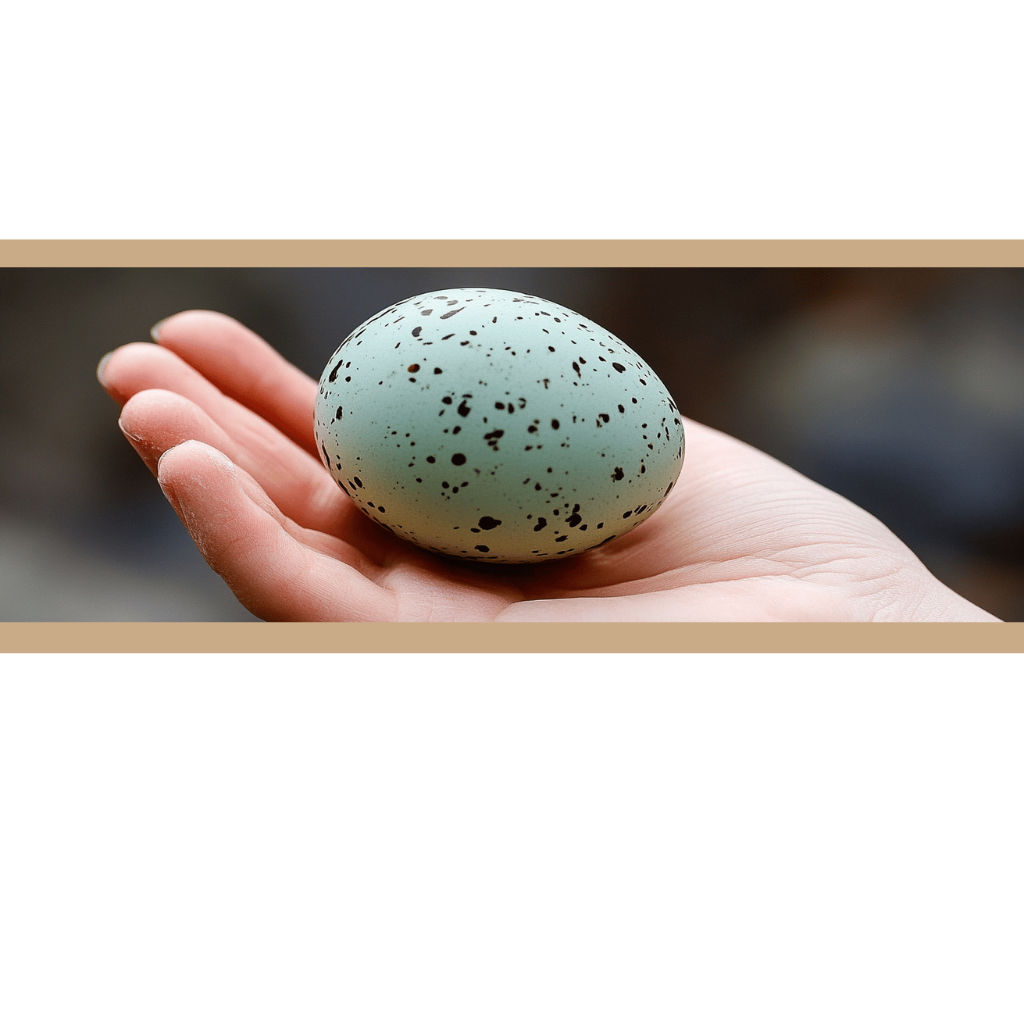
When a hen lays an egg, it comes with a natural protective coating called the "bloom" or "cuticle." This magical layer keeps bacteria and air out, ensuring the egg stays fresh for longer. It’s like a built-in defense mechanism, a little egg-shield if you will. So, as long as the bloom remains intact, there’s no need to refrigerate the eggs.

The American Way: Wash and Chill

In the United States, it’s common practice to wash eggs before they hit the grocery store shelves. Why, you ask? Well, it’s all about safety. The washing process removes dirt and potential bacteria from the shell, but it also removes the bloom. Without this protective barrier, eggs are more susceptible to contamination and need to be refrigerated to stay fresh.

Fun Fact: In many European countries, it’s illegal to wash eggs before selling them. That’s why you often see eggs sitting out in room-temperature glory at markets across the pond.

Egg-straordinary Jokes to Crack You Up

Why did the egg cross the road?
To get to the shell station!

What do you call an egg who’s a good singer?
An egg-cellent vocalist!

Why did the egg sit on the counter?
Because it didn’t feel like chilling out in the fridge!

Storing Your Eggs: A Shell of a Decision

If you get your eggs directly from a local farm or your own backyard chickens and they haven’t been washed, feel free to keep them out of the fridge. They can last at room temperature for a couple of weeks. However, if your eggs come from a store and have been washed, pop them in the fridge to keep them fresh and safe to eat.

Egg-squisite Trivia

  • An egg shell has around 17,000 tiny pores!
  • The color of the eggshell doesn’t affect its nutritional value; it’s all about the breed of the hen.
  • The longest recorded flight of a chicken is 13 seconds. Not egg-sactly soaring, but still impressive!

In Conclusion: Keep Calm and Don’t Refrigerate (Unless Washed)

So, next time you’re debating where to store your eggs, just remember the golden rule: unwashed eggs can chill out on the counter, but washed eggs need the cool comfort of the fridge. It’s an egg-citing balance of nature and cleanliness.

NOTE: Always make sure to wash your eggs if they have chicken manure on them!

Whether you’re a fan of scrambled, poached, or sunny-side-up, knowing how to store your eggs properly will keep your breakfasts egg-ceptional. So, go ahead and impress your friends with your newfound egg-spertise!

Happy egg-ventures, everyone! 🥚✨


Read article

Listing controls

4 items total